
In recent years, the livestock sector has emerged as a vital component of Nepal’s agricultural landscape, contributing significantly to the national economy and the livelihoods of rural communities. The demand for livestock products continues to rise, driven by changing consumer preferences and increased urbanization. Recognizing the need for a structured development approach, the Nepal Farmers Advisory Council Pvt. Ltd. has taken a significant step in facilitating the preparation of a Detailed Project Report (DPR) for the K.K. Livestock Agriculture Research Center Pvt. Ltd.
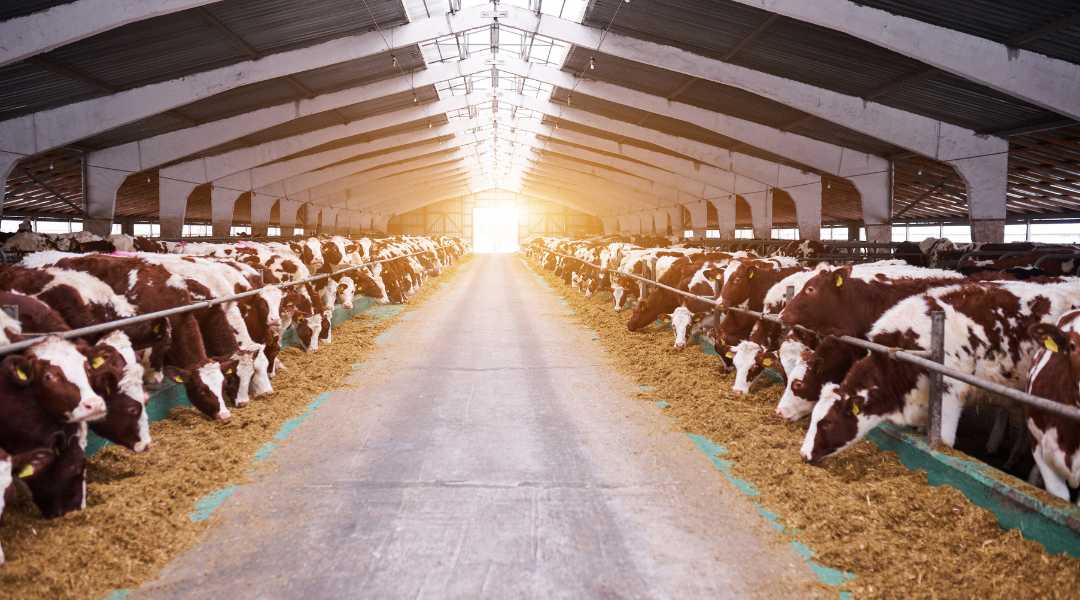
The establishment of the K.K. Livestock Agriculture Research Center aims to enhance research, development, and innovation in the livestock sector in Nepal. The proposed DPR will serve as a strategic blueprint, outlining the objectives, scope, and feasibility of various initiatives designed to improve livestock production, health, and overall sustainability within the industry.
Objectives of the DPR
The primary objective of the DPR preparation is to create a comprehensive framework for advancing livestock agriculture in Nepal. This involves assessing current challenges faced by farmers, such as limited access to quality breeding stock, inadequate veterinary services, and a lack of modern farming practices. The DPR will identify strategies to address these issues, ensuring that the K.K. Livestock Agriculture Research Center becomes a pivotal player in transforming the livestock sector.
Specific goals of the DPR include:
Training and Capacity Building: Developing training programs for farmers on modern livestock management practices, veterinary care, and business skills to enhance their operational capabilities.
Enhancing Productivity: Investigating innovative breeding techniques, nutrition management, and disease control measures to improve the productivity of livestock species.
Research and Development: Promoting scientific research in livestock genetics, reproduction, and management practices. This includes developing partnerships with universities and research institutions to foster knowledge sharing and innovation.
Sustainability Practices: Implementing sustainable farming practices that minimize environmental impact, including waste management and resource conservation.
